Darknet Markets 2026:
The dark web is part of the deep web but is built on darknets: overlay networks that sit on the internet but which can't be accessed without special tools or software like Tor. Tor is an anonymizing software tool that stands for The Onion Router — you can use the Tor network via Tor Browser.
| Darknet Market | Established | Total Listings | Link |
|---|---|---|---|
| TorZon Market | 2022 | 140+ | Onion Link |
| Nexus Market | 2024 | 600+ | Onion Link |
| Abacus Market | 2022 | 100+ | Onion Link |
| Ares | 2026 | 100+ | Onion Link |
| Cocorico | 2023 | 110+ | Onion Link |
Updated 2026-09-12
How to Use Tor Browser for Safe Darknet Shopping
Accessing a darknet market requires specialized software, with the Tor Browser being the standard tool. This browser routes your connection through multiple encrypted layers, anonymizing your network traffic and allowing access to .onion addresses, which are unique to the Tor network. These addresses are not indexed by conventional search engines and must be obtained from current, reliable sources.
The process begins by downloading the official Tor Browser from its verified project website. Once installed and connected, you enter a specific .onion URL into the address bar. This direct access method is fundamental, as it establishes the secure and private connection necessary for all subsequent interactions on a darknet platform. The architecture of Tor ensures that both the user's location and the market's server location are concealed, creating a foundational layer of operational security.
This technological framework enables a user-driven model for commerce, where individuals can engage in transactions with a significantly reduced risk of external surveillance. The system's design prioritizes privacy by default, making the initial setup a critical step for secure participation in digital marketplaces that operate outside conventional oversight.
Getting Working Darknet Links from Forums and Lists
Accessing a darknet market requires its precise .onion address, a unique identifier that changes frequently for security. These addresses are not indexed by conventional search engines, creating a need for reliable discovery methods. The primary sources for these links are specialized forums and link aggregators, which function as community-driven hubs for information verification.
Forums like Dread provide a platform for users to discuss market status, report scams, and share verified URLs. New links are often posted in dedicated threads by trusted members or market representatives themselves. Aggregator sites, sometimes called "link lists" or "superlists," compile and check the status of known market addresses. They perform basic uptime checks and label links as online, offline, or suspected phishing attempts.
The process for a user involves consulting multiple trusted sources to cross-reference a link. A standard verification check includes:
- Checking the aggregator for the most recent working address.
- Visiting the forum to read user reports confirming the same address.
- Comparing the provided link against known phishing attempts listed in community warnings.
This decentralized verification model leverages collective intelligence to filter out malicious actors. A link confirmed across several independent sources gains credibility. The reliance on community consensus, rather than a central authority, enhances the overall resilience of the darknet ecosystem and directly supports secure access for commerce.
How Darknet Markets Make Shopping Easy
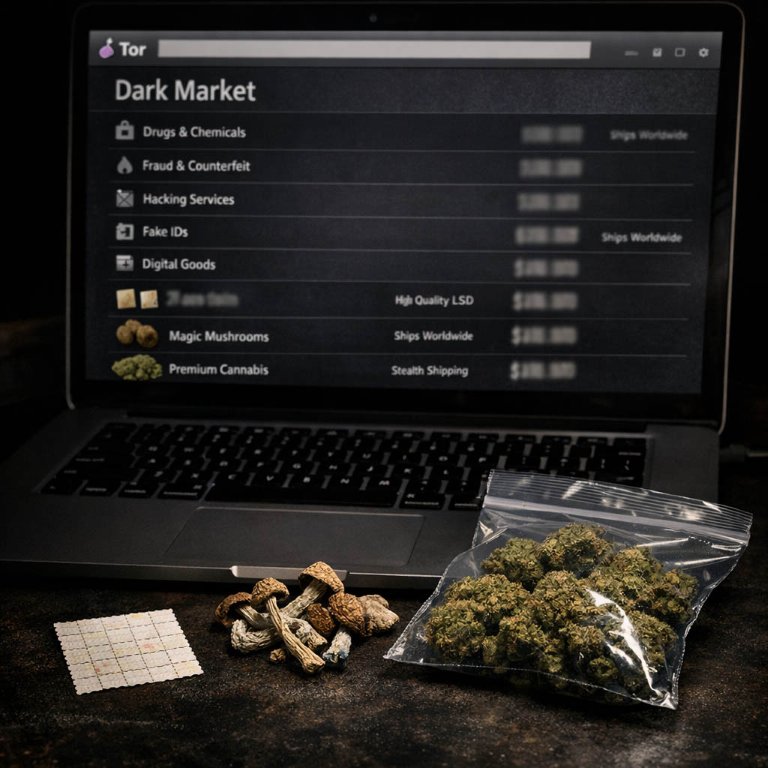
The layout of a darknet market is designed for clarity and efficiency. Upon accessing a market via its .onion address, users are presented with a familiar e-commerce interface. Products are organized into logical categories such as Stimulants, Psychedelics, Pharmaceuticals, and Digital Goods. A search function and filtering options allow for precise navigation.
Each product listing functions as a dedicated storefront. Vendors provide:
- A detailed product title and description specifying substance, purity, and origin.
- High-quality photographic evidence of the inventory.
- Clear pricing in Bitcoin or Monero, often with discounts for bulk purchases.
- Shipping options, costs, and the vendor's accepted destination countries.
The listing page centralizes all transactional data. It displays the vendor's reputation score and historical feedback, which are critical for assessing reliability. This structured presentation transforms the procurement of substances into a streamlined process, mirroring the convenience of conventional online retail while operating within the darknet's encrypted framework.
How Vendor Ratings Build Trust on the Darknet
The decentralized nature of darknet commerce eliminates traditional intermediaries, making vendor reputation the primary mechanism for establishing trust. This system functions as a continuous, transparent audit of a seller's performance, directly influencing their ability to conduct business. High ratings and positive feedback are not merely promotional; they are economic assets cultivated over many transactions.
Markets implement structured feedback systems where buyers can rate their experience on several key metrics:
- Product quality relative to its description
- Stealth and discretion of packaging
- Speed and reliability of shipping
- Clarity and professionalism of communication
These cumulative scores generate a visible vendor rating, often displayed as a percentage. A vendor with a 98 positive rating across several thousand sales provides statistically significant data on reliability. Detailed feedback comments offer qualitative insights beyond the numerical score, warning of specific issues or confirming consistent excellence. This creates a self-policing environment where vendors are financially incentivized to maintain high standards, as a single sustained drop in reputation can drastically reduce future sales.
The feedback mechanism also protects vendors from fraudulent buyer claims. A buyer's history is often visible, allowing vendors to assess risk. Disputes are frequently resolved by market moderators who review the documented communication and transaction history, with the collective feedback record serving as crucial evidence. This balanced system ensures that trust is quantifiable and dynamic, reducing uncertainty for all parties and forming the foundational layer of security for darknet commerce.
How Escrow Makes Darknet Trade Safe for Everyone
Escrow services form the trust backbone of darknet commerce, acting as a neutral third party in transactions. The system is straightforward: when a buyer places an order, their cryptocurrency payment is held by the market's escrow system, not released directly to the vendor. This creates a secure waiting period.
The funds are only disbursed to the vendor after the buyer confirms satisfactory receipt of the goods. This mechanism directly addresses the inherent anonymity of the environment by enforcing accountability. It protects the buyer from vendor fraud, where a seller might take payment without shipping the product. Simultaneously, it protects the vendor from false non-receipt claims by buyers, as the escrow provides cryptographic proof of the transaction's terms.
Most markets enhance this with a multisignature (multisig) escrow option. A standard escrow is managed solely by the market administrators. In a multisig setup, the payment requires two or three digital signatures to be released, typically from the buyer, vendor, and sometimes the market. This distributes control and significantly reduces risk if a marketplace is compromised or exits scams. The process follows clear steps:
- Buyer and vendor agree on terms and generate a multisig address.
- Buyer sends funds to this shared address.
- Upon delivery, buyer and vendor co-sign to release payment to the vendor.
- If a dispute arises, the third party (market admin) can arbitrate and provide the deciding signature.
This escrow framework, particularly multisig, facilitates a self-regulating economy. It allows for secure, peer-to-peer trade of goods by aligning the financial incentive for both parties to fulfill their agreed-upon roles honestly, thereby enabling reliable commercial activity on the darknet.
How Cryptocurrency Payments Work on the Darknet
The transaction phase on a darknet market is where its design for discretion and security becomes most apparent. Cryptocurrency, primarily Bitcoin and Monero, is the exclusive payment method. Monero is increasingly favored for its enhanced privacy features, as its blockchain obscures transaction details better than Bitcoin's more transparent ledger.
A purchase begins when a buyer sends the exact cryptocurrency amount to a market-generated escrow address. This address holds the funds securely, preventing the vendor from accessing them until the buyer confirms satisfactory receipt of the goods. The system functions on a multi-signature principle, often requiring two out of three cryptographic keys to release fundsone held by the buyer, one by the vendor, and one by the market. This removes the need for absolute trust in a single party.
The process typically follows these steps:
- Selecting the desired item and initiating an order.
- Transferring cryptocurrency to the unique, time-bound escrow address.
- Waiting for the vendor to ship the product and provide tracking if available.
- Finalizing the order upon receipt, which releases the escrowed funds to the vendor.
- Leaving detailed vendor feedback, which is crucial for the market's reputation system.
This escrow model effectively minimizes fraud risk for both parties. Buyers are protected from vendors who might not ship products, while vendors are assured of payment once the buyer finalizes. The entire financial interaction is pseudonymous, with no bank or personal payment details involved. The efficiency and security of this cryptocurrency-based escrow system are fundamental to the operational resilience and user-driven trust that define successful darknet commerce.
How User Feedback and Escrow Make Darnet Drug Trade Safe and Reliable
The operational framework of a modern darknet market is fundamentally a user-driven model. This system replaces traditional corporate oversight with community-enforced mechanisms that prioritize security and transactional integrity. The model functions through several interconnected pillars that users actively maintain.
Foremost is the decentralized feedback and rating system. Every completed transaction allows the buyer to leave detailed feedback and a numeric rating for the product and vendor. This creates a transparent, crowd-sourced reputation score. A vendor with a long history of high ratings and positive comments establishes trust through verifiable performance. This public record is the primary tool for risk assessment, allowing new users to make informed decisions based on peer experiences rather than marketing claims.
This reputation data is protected by the escrow service, a core technological feature that enables the user-driven model. Funds from a purchase are held in escrow by the market's automated system until the buyer confirms satisfactory receipt of the goods. Only then is the cryptocurrency released to the seller. This mechanism aligns incentives correctly: vendors are motivated to ship quality products promptly, and buyers are assured they will not lose funds to fraud. Disputes, while rare, can be mediated by market staff, with the escrow holding the funds as a neutral arbiter.
The entire economy is powered by cryptocurrency payments, specifically designed for this environment. Transactions using currencies like Bitcoin or Monero are pseudonymous and irreversible, which complements the escrow system. The irreversibility protects vendors from fraudulent chargebacks, while the escrow protects buyers. This financial layer completes a closed-loop system where security, trust, and commerce are interdependent.
Therefore, the market's resilience and security do not stem from a central authority but from the collective participation of its users. By contributing feedback, utilizing escrow, and adhering to established operational security practices, the community itself audits and polices the platform. This creates a self-regulating ecosystem where reliable commerce can flourish based on demonstrated reputation rather than anonymous promises.

How Darknet Markets Stay Secure and Reliable
The sustained operation of a darknet market relies on a user-driven security model. This model distributes the responsibility for security between the market administrators and its users, creating a more resilient ecosystem. Markets implement foundational protections like end-to-end encryption for all communications and bitcoin tumblers or support for privacy-focused coins like Monero to obscure financial trails.
User practices directly contribute to market longevity. The use of PGP encryption for addresses and sensitive details ensures that even if a market is compromised, user data remains protected. Adhering to basic operational security, such as never reusing pseudonyms or passwords across different platforms, prevents collateral damage from unrelated breaches. This collective vigilance makes the entire platform harder to target.
Resilience is also economic. The decentralized escrow system prevents exit scams by holding funds in trust until the buyer confirms receipt. The transparent vendor feedback and rating system allows the community to self-regulate, quickly identifying and ostracizing bad actors. This creates a stable commercial environment where trust is quantifiable and enforced by peer review, not a central authority.
Ultimately, a market's survival depends on this synergy. The platform provides the secure tools, while the informed user base utilizes them effectively. This partnership fosters an environment where commerce can proceed with reduced risk, demonstrating that security on the darknet is a shared and active practice, not a passive guarantee.