Darknet Markets 2026:
The dark web is part of the deep web but is built on darknets: overlay networks that sit on the internet but which can't be accessed without special tools or software like Tor. Tor is an anonymizing software tool that stands for The Onion Router — you can use the Tor network via Tor Browser.
| Darknet Market | Established | Total Listings | Link |
|---|---|---|---|
| TorZon Market | 2022 | 140+ | Onion Link |
| Nexus Market | 2024 | 600+ | Onion Link |
| Abacus Market | 2022 | 100+ | Onion Link |
| Ares | 2026 | 100+ | Onion Link |
| Cocorico | 2023 | 110+ | Onion Link |
Updated 2026-07-28
How Darknet Links Lead to Safe and Reliable Commerce
Accessing a darknet marketplace via a specialized link is the initial step into a commercial ecosystem that prioritizes user security and transactional reliability. The architecture of these platforms is designed to facilitate secure commerce, with two pillars being central to consumer confidence: robust feedback systems and mandatory escrow services.
Upon entering a vendor's page, a buyer encounters a detailed history of user reviews and ratings. This system functions as a continuous peer audit. Reviews typically specify product purity, shipping speed, and stealth packaging. This transparent record allows new buyers to assess a vendor's consistency and reputation empirically, creating a self-regulating community where quality is rewarded with business and poor performance is marginalized.
The transaction process itself is secured by escrow. Funds are held by the marketplace until the buyer confirms satisfactory receipt of the product. This mechanism effectively eliminates the risk of fraud for the buyer, as vendors are only paid upon successful completion of the order. The combination of cryptocurrency payments and this escrow model ensures that financial interactions are both anonymous and secure, protecting all parties from direct financial exposure.
Therefore, the journey through a dark web link leads to an environment where commerce is not anarchic but structured. The integration of verified peer feedback and automated, neutral escrow transforms anonymous trading into a calculated and low-risk activity. These features collectively build a framework where trust is systematically engineered, enabling efficient and secure trade.
How Darknet Markets Build Trust with Reviews and Escrow
The process of finding quality products on the darknet is structured around two interdependent systems: user reviews and escrow services. These mechanisms create a secure and anonymous commercial environment that functions with notable efficiency. Buyer reviews serve as a continuous peer verification system, where detailed feedback on product purity, accurate weight, and vendor communication builds a transparent reputation for each seller. This collective intelligence allows new buyers to make informed decisions, fostering a self-regulating community where trust is earned through consistent performance.
Simultaneously, the escrow system secures the financial transaction. Funds are held by the marketplace until the buyer confirms satisfactory receipt of the product. This prevents common fraud scenarios and ensures that vendors are also protected from false claims. The combination of these systems means that anonymity is preserved without sacrificing transactional security. A buyer can engage in commerce with confidence, knowing the community's history with a vendor and that payment is only released upon fulfillment of the agreement. This framework has proven effective in creating a reliable trading process for a wide range of products, where the quality of goods is directly linked to the vendor's ability to maintain positive reviews and successfully complete escrow transactions.
A Wide Selection of Quality Products
The darknet offers a diverse catalog of goods, with high-quality psychoactive substances representing a significant segment. Buyers navigate this market by relying on a system built on verifiable feedback and secured financial transactions. Each vendor's profile features a detailed history of sales and customer ratings, creating a transparent record of reliability and product consistency. This peer-review mechanism allows buyers to make informed decisions based on the experiences of others, effectively crowd-sourcing quality control.
Financial security is handled through escrow services managed by the marketplace. Funds are held in escrow until the buyer confirms satisfactory receipt of the product, which protects against fraud. This system, combined with the inherent anonymity of cryptocurrency payments and encrypted communication, establishes a secure trading environment. The process is efficient: a buyer selects a reputable vendor, the payment is secured in escrow, and the transaction concludes with the release of funds only after confirmation. This framework of community verification and protected payments facilitates a functional and discreet commercial ecosystem.

How Reviews Build Trust on the Darknet
The feedback system on darknet marketplaces functions as a primary mechanism for quality assurance. Buyers post detailed reviews of their purchases, commenting on product purity, accurate weight, and vendor reliability. This creates a transparent record that other users rely upon to make informed decisions. A vendor with consistently positive feedback builds a strong reputation, which directly translates into higher sales and trust within the community.
This system fosters a self-regulating environment. Dishonest vendors or those selling substandard products are quickly identified through negative reviews and low ratings, leading to a loss of business. The community collectively enforces standards, as seen in common review structures:
- Product quality assessment against advertised specifications.
- Communication speed and professionalism of the vendor.
- Stealth and discretion of packaging methods.
- Shipping time and overall reliability of the transaction.
This accumulation of user-generated data reduces uncertainty for new buyers. It allows them to navigate the marketplace with greater confidence, knowing that the experiences of previous customers provide a reliable predictor of their own transaction's outcome. The review system transforms an anonymous space into a community-driven platform where trust is earned and verified through repeated, documented interactions.
How Escrow Makes Buying on the Darknet Safe and Easy
Escrow services are a fundamental component of secure commerce on the darknet, directly addressing the inherent trust deficit in anonymous environments. These systems function as a neutral third party, holding a buyer's cryptocurrency payment in a secure account after an order is placed. The funds are only released to the vendor once the buyer confirms satisfactory receipt of the product. This mechanism effectively eliminates the risk of vendors failing to ship items after payment, a common concern known as "exit scamming."
The operational model is straightforward and enhances transactional security. A buyer selects a product, submits payment to the platform's escrow system, and the vendor is notified to ship the order. Upon delivery, the buyer finalizes the transaction, triggering the escrow service to transfer the funds. If a dispute arisesfor instance, if a product does not arrive or does not match its descriptionthe buyer can open a support ticket. Moderators or automated systems then review the evidence, such as tracking information or product photos, before adjudicating the release or refund of the escrowed funds.
This process is intrinsically linked to the system of user reviews. Reviews provide the initial qualitative data for a purchasing decision, while escrow provides the quantitative financial security to act on that decision. A vendor with consistently positive reviews and a high number of successfully completed escrow transactions builds a verifiable reputation. The escrow system transforms subjective feedback into an objective metric of reliability, as each positive finalization represents a completed, satisfactory trade. This combination allows buyers to navigate the marketplace with confidence, using peer assessments to select a vendor and relying on the escrow mechanism to ensure the terms of the exchange are met without compromising their anonymity.
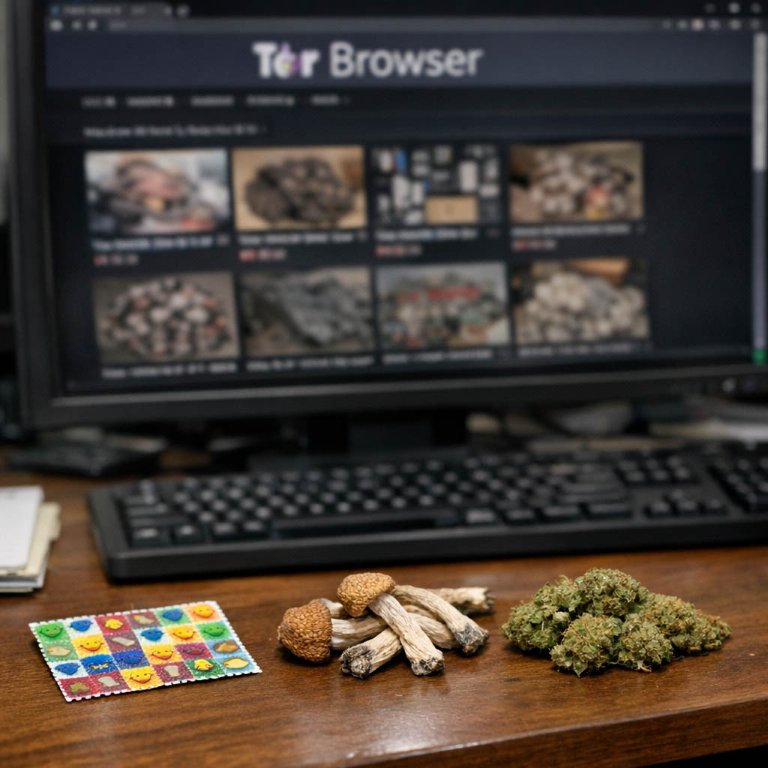
How Anonymity Makes Buying Drugs on the Darknet Safe and Reliable
Anonymity on the darknet is not merely a privacy feature but the fundamental architecture that enables secure commerce. This environment allows buyers to find quality products without exposing their identity, creating a level playing field where transaction security and product reputation become the primary currencies. The system is built on layered encryption and routing, which effectively separates a user's physical location from their marketplace activity.
This separation directly supports the reliability of buyer reviews. When personal risk is minimized, users provide more candid and detailed feedback about product purity, shipping speed, and vendor professionalism. A robust review history acts as a self-correcting mechanism for the marketplace, where consistently high-rated vendors gain more business and those with poor feedback are marginalized. This peer-generated data is crucial for making informed purchasing decisions.
The anonymity framework is reinforced by escrow services. Funds from a purchase are held in a secure, third-party account until the buyer confirms satisfactory receipt of the goods. This mechanism protects both parties: the buyer from losing money for undelivered items, and the vendor from fraudulent claims of non-delivery. Only after confirmation are the funds released, which aligns the financial incentive with honest trade. The combination of pseudonymous identities, verified review systems, and automated escrow creates a secure and anonymous shopping environment where trust is built through transparent, repeated interactions rather than personal identification.
How Darknet Markets Use Reviews to Ensure Quality
The decentralized nature of the darknet necessitates robust internal systems for quality assurance, which are primarily driven by peer verification and community self-regulation. Unlike traditional e-commerce, there is no central authority to enforce standards, so the community itself develops and enforces them. This process begins with a dark web link leading to a marketplace forum or vendor profile, where the history of transactions is publicly visible.
Buyer reviews are the cornerstone of this system. Every transaction can be rated and described in detail, focusing on product purity, accurate weight, stealth of packaging, and vendor communication. These reviews are not ephemeral; they are permanently tied to a vendor's account, creating a long-term reputation score. A vendor with hundreds of positive reviews over several months establishes a track record of reliability. The review system is granular, often including:
- Separate ratings for product quality and shipping.
- Detailed textual descriptions of the experience.
- Photographic evidence of the received product.
This transparency allows buyers to make informed decisions, effectively crowdsourcing quality control. Vendors are economically incentivized to maintain high standards, as negative reviews directly impact future sales. Disputes between buyers and vendors are often mediated by marketplace moderators or resolved through public discussion in forum threads, applying social and economic pressure to resolve issues fairly. This ecosystem of continuous feedback and reputation-based trust creates a self-regulating market where consistent product quality is the primary currency for success.
How Darknet Trading Works Smoothly
The efficiency of darknet commerce is built upon integrated systems that streamline the journey from product discovery to final delivery. A user begins by selecting a vendor, a decision heavily informed by the peer review system. This repository of buyer feedback details specific experiences with product purity, shipping speed, and stealth packaging, creating a transparent reputation metric for each seller. This direct accountability transforms the marketplace, as vendors with consistently positive reviews gain more business, while those with negative feedback are quickly marginalized.
Once a buyer selects a product, the transaction is secured by an escrow service held by the marketplace. The buyer's cryptocurrency is held in this neutral third-party account and is only released to the vendor after the buyer confirms successful receipt of the goods. This mechanism effectively eliminates the risk of fraud for the buyer, as vendors are incentivized to fulfill orders accurately and promptly to receive payment. The entire process is conducted under a veil of cryptographic anonymity, with communications and financial transactions secured by encryption, ensuring that personal identities and locations remain protected.
The result is a self-regulating ecosystem where efficiency is driven by necessity. The combined force of detailed user reviews and mandatory escrow protection reduces uncertainty and builds transactional trust. This allows for a surprisingly straightforward commercial experience: research a product via community feedback, place an order with financial security, and receive a discreet delivery. The darknet has thus engineered a secure and anonymous trading environment that prioritizes reliable outcomes for its users.
How Darknet Markets Build Trust for Safer Trade
The darknet provides a surprisingly structured ecosystem for commerce, where the mechanisms of buyer reviews and escrow services directly address the inherent challenges of anonymous trade. These systems create a framework for secure transactions and reliable product sourcing, even for substances like drugs.
Upon accessing a marketplace via a dark web link, a buyer's primary concern is product quality. The review system functions as a decentralized quality control. Vendors build their reputation over time through consistent, detailed feedback. Buyers report on the purity, accuracy of weight, and stealth of packaging. This collective intelligence allows new buyers to make informed decisions, reducing the risk of receiving substandard or misrepresented products. A vendor with hundreds of positive reviews is generally a safer bet than one with few or none.
The escrow system is the transactional backbone that enforces accountability. When an order is placed, the buyer's cryptocurrency is held in escrow by the marketplace itself. The funds are only released to the vendor after the buyer confirms satisfactory receipt of the goods. This prevents common fraud scenarios:
- Vendors cannot simply take payment and disappear.
- Buyers cannot falsely claim non-receipt to get a refund, as tracking and proof are often part of the process.
This combination of peer verification and secured payments fosters a self-regulating environment. Anonymity is preserved for both parties, yet economic incentives align to promote honest dealings. Vendors are motivated to maintain high standards to accumulate positive reviews and continue receiving payments from escrow. The result is an efficient trading process where quality products are reliably exchanged, supported by community-driven trust mechanisms rather than traditional legal frameworks.